
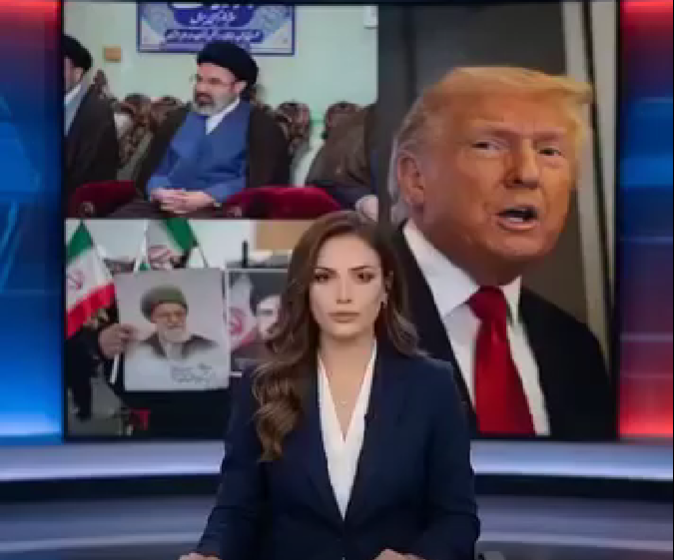

Escalation in the Middle East: The Strikes on Iran and the Growing Fear of a Wider War
The first explosions shattered more than buildings. They also shattered the belief that the conflict could still be contained through diplomacy and limited military action. As jets from the United States and Israel reportedly struck targets in Iran, the world watched a dangerous new chapter unfold, raising serious questions about regional stability, international security, and the possibility of a much wider war.
Inside Tehran, military commanders rushed to assess the damage and determine the extent of the attacks. Emergency teams worked to respond to the destruction, while government officials began evaluating the military and political consequences. Across the region, neighboring countries watched developments with growing concern, uncertain about whether they would remain on the sidelines or become directly involved in the confrontation. Meanwhile, global markets reacted to the uncertainty, particularly because the Middle East plays a critical role in the world’s energy supply.
One question quickly spread across governments, newsrooms, and households alike: would this escalation trigger a wider war?
The strikes were associated with an operation reportedly named Operation Epic Fury, described by U.S. and Israeli officials as a major effort to weaken Iran’s military capabilities and address concerns about its nuclear program. According to the rationale presented by the countries involved, the operation was intended to disrupt military infrastructure, reduce Iran’s ability to launch attacks, and prevent what they described as future threats to their national security.
Officials argued that the targets included facilities and systems believed to support Iran’s military operations. They maintained that striking these locations could limit the country’s ability to threaten U.S. forces, Israel, and other regional partners. However, such claims also raised important questions about the evidence supporting the military action, the legal justification for using force, and whether the operation would achieve its stated objectives.
Military strikes are often presented as decisive measures designed to eliminate immediate threats. Yet history demonstrates that the consequences of such actions are rarely limited to the destruction of physical targets. Attacks can generate political backlash, strengthen hard-line positions, and create new incentives for retaliation. Even when a military operation achieves some of its immediate objectives, the long-term consequences may be far more difficult to control.
Images and videos circulating online reportedly showed damaged compounds, destroyed infrastructure, and affected air-defense installations. These images offered a glimpse of the confrontation’s potential scale, but information emerging during active military operations can be incomplete, difficult to verify, or shaped by competing political narratives. Governments may emphasize their military successes while minimizing their losses, making independent verification essential for understanding what actually occurred.
At the same time, Iranian state media claimed that some incoming missiles had been intercepted and warned that retaliation would follow. Iranian leaders responded with forceful statements, promising what they described as “devastating revenge.” Their language suggested that Tehran would not allow the attacks to pass without a response, although the timing, scale, and targets of any retaliation remained critical uncertainties.
For Iran, retaliation would involve a difficult strategic calculation. A response powerful enough to demonstrate strength could satisfy domestic demands for action and reinforce the government’s credibility. However, an attack that caused significant casualties or struck sensitive targets could provoke another round of U.S. or Israeli military operations. Tehran would therefore face the challenge of demonstrating resolve without necessarily triggering a confrontation it might struggle to control.
The United States and Israel would face their own calculations. Both countries would need to consider whether further military action would improve their security or increase the likelihood of prolonged conflict. Even if their initial strikes damaged important military infrastructure, Iran could still pursue alternative methods of retaliation, including missile attacks, drone operations, cyber activities, or actions involving allied armed groups in the region. These possibilities could complicate efforts to contain the confrontation within a defined geographic area.
Beyond the immediate military calculations, the conflict carried serious implications for neighboring countries. States across the Middle East could face increased security risks, disruptions to trade, and pressure to choose between competing political and strategic interests. Countries hosting foreign military bases might become particularly concerned about the possibility of attacks against those facilities. Meanwhile, governments attempting to maintain diplomatic relationships with both Washington and Tehran could find themselves under growing pressure to take a clearer position.
The economic consequences could also extend far beyond the battlefield. The Middle East remains central to global energy markets, and any threat to oil production, shipping routes, or critical infrastructure could create uncertainty for businesses and consumers. Concerns about disruptions to the Strait of Hormuz, a vital passage for international oil and gas shipments, could contribute to rising energy prices and increased transportation costs. Even without a prolonged disruption, the expectation of instability can influence financial markets, investment decisions, and government economic planning.
For ordinary families, however, the consequences were more immediate and personal. In cities such as Tehran and Tel Aviv, residents faced uncertainty as they searched for reliable information and monitored warnings from authorities. Parents worried about their children, workers considered whether it was safe to travel, and families tried to determine whether they should remain at home or seek shelter. Many checked their phones repeatedly and listened for sirens, unsure whether the explosions would remain an isolated event or mark the beginning of a much larger conflict.
Behind the scenes, diplomats from Europe and other regions urged restraint and called for measures to prevent further escalation. Their concerns reflected a broader understanding that military action alone might not resolve the underlying disputes. Diplomatic channels, negotiations, and clear communication could become increasingly important in preventing miscalculations. However, diplomacy would face significant obstacles if leaders on either side believed that backing down would undermine their credibility or national security.
Ultimately, the greatest danger was not necessarily the initial strikes themselves, but the chain of decisions that could follow them. A retaliatory attack could prompt another military response, which could then trigger further retaliation. As each side attempted to restore deterrence and demonstrate strength, opportunities for compromise could narrow. A confrontation that began with specific military objectives could gradually expand into a regional crisis involving multiple countries and threatening international stability.
The coming days would therefore be crucial in determining the direction of the conflict. The scale of Iran’s response, the decisions made in Washington and Jerusalem, and the willingness of international leaders to pursue meaningful diplomacy would all help shape what happened next.
For now, the central question remained unanswered: would the strikes lead to a limited military confrontation followed by renewed diplomatic efforts, or would they open the door to a prolonged and potentially devastating regional war? The answer would depend not only on military strength, but also on political judgment, strategic restraint, and the willingness of leaders to recognize the enormous cost of allowing escalation to continue.
Note: This is an expanded version of your original passage, preserving its serious, news-reporting tone. Because the passage describes specific military events and an operation name, those details should be independently verified before publication; the wording above does not establish that every reported claim is confirmed.


