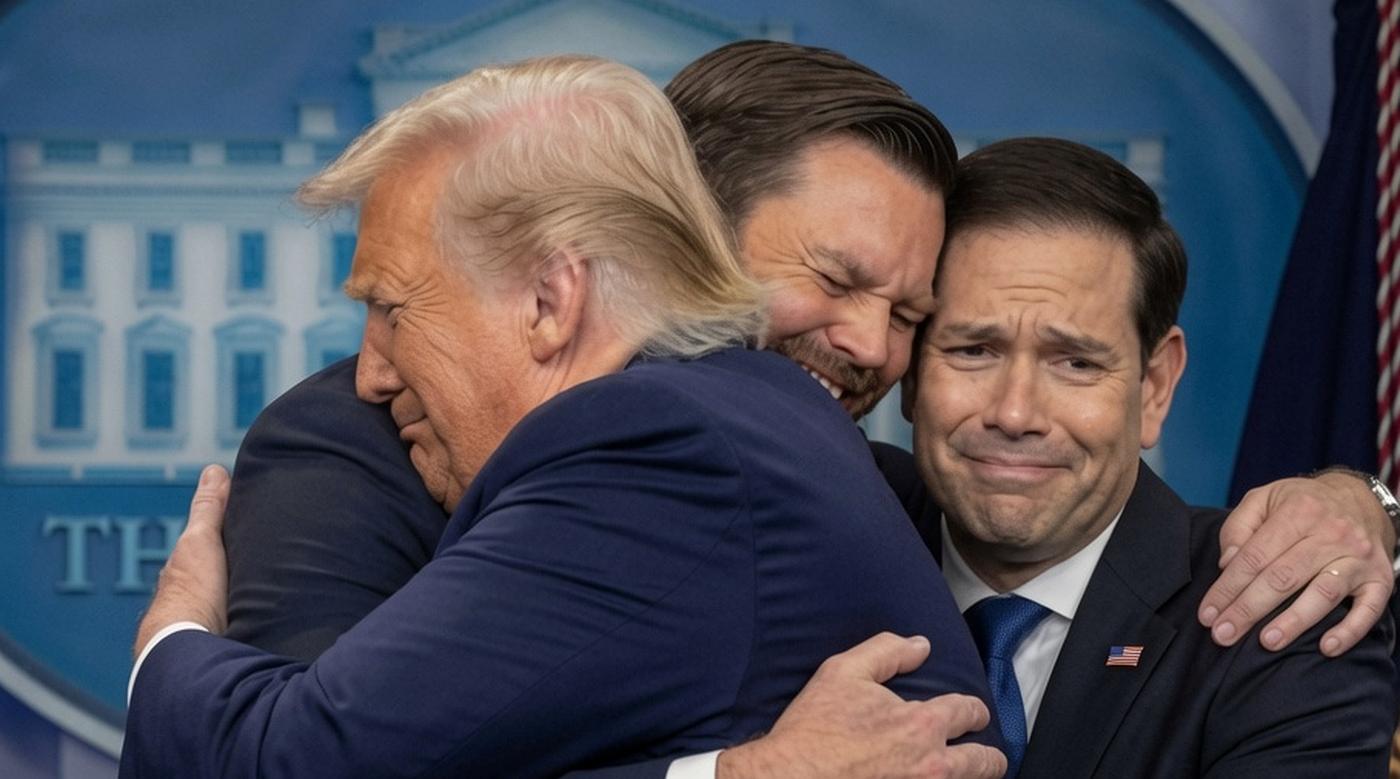

BREAKING: Why “Bad News” Headlines About Political Figures Generate So Much Attention
In today’s fast-moving media environment, few headline formulas are as common as “breaking news” stories involving major political figures. Whether the subject is a president, former president, party leader, or prominent candidate, headlines that suggest new challenges, setbacks, or controversies often generate enormous public interest.
One reason these headlines attract attention is that politics has become deeply intertwined with daily life. Decisions made by elected officials can influence economic policy, foreign affairs, healthcare, education, taxation, and countless other areas. As a result, developments involving major political figures frequently become front-page news.
The phrase “gets more bad news” is particularly effective because it combines urgency with uncertainty. Readers immediately want to know what happened, why it matters, and what consequences may follow. However, the actual meaning of such headlines can vary dramatically.
In some cases, “bad news” may refer to polling results. In others, it could involve legal proceedings, policy setbacks, legislative defeats, fundraising challenges, public criticism, or changing voter sentiment. Without context, the phrase itself provides very little information.
This ambiguity is one reason media literacy remains important. Readers who encounter emotionally charged headlines should examine the underlying facts before drawing conclusions. Headlines are designed to attract attention, but understanding requires looking beyond the first few words.
Political news also tends to evolve rapidly. Information available in the morning may be updated by the afternoon as additional facts emerge. Statements from officials, court rulings, government reports, campaign announcements, and public reactions can all reshape the narrative.
Another factor driving attention is polarization. Supporters and critics often interpret the same event in very different ways. A development viewed as a major setback by one group may be considered insignificant by another. This difference in interpretation contributes to ongoing public debate.
News organizations face the challenge of balancing speed with accuracy. In competitive media markets, there is pressure to report developments quickly. At the same time, journalists must verify facts, consult sources, and provide context. Responsible reporting depends on maintaining that balance.
The growth of social media has accelerated the spread of political information. Stories can reach millions of people within minutes, creating opportunities for public engagement but also increasing the risk of misunderstanding. As information moves faster, the need for verification becomes even more important.
For readers, the most effective approach is to focus on evidence rather than assumptions. Questions worth asking include:
- What specific event occurred?
- What are the verified facts?
- What sources support the claim?
- What are the potential implications?
- Has the information been independently confirmed?
These questions help distinguish substantive reporting from sensationalized coverage.
Political figures, regardless of party affiliation, regularly face both favorable and unfavorable developments. Elections, court decisions, policy debates, economic indicators, and public opinion surveys all contribute to changing political fortunes. What appears to be major news one day may be overshadowed by another development the next.
Ultimately, headlines serve as entry points rather than complete stories. Understanding the significance of any political event requires context, evidence, and careful analysis. In a media environment driven by speed and competition, readers benefit most when they move beyond attention-grabbing language and focus on verified information.
The most valuable political reporting is not the reporting that generates the strongest emotional reaction. It is the reporting that provides the clearest understanding of what happened, why it matters, and what may happen next.