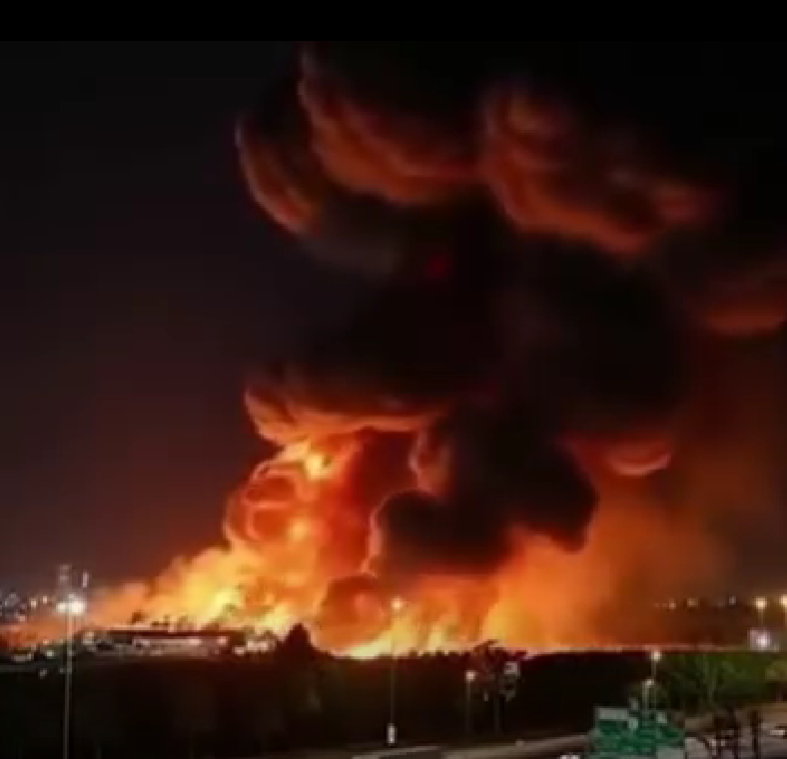

Iran Missile Barrage: Reports of Fatalities in Beit Shemesh Raise Fears of Further Escalation
The reports describe a rapidly developing security situation involving Iranian missile strikes, casualties in the Israeli city of Beit Shemesh, and expectations of a response from the United States and Israel. Any expanded report must distinguish confirmed information from preliminary claims, particularly when casualty figures and military developments may still be changing.
What is known about the Beit Shemesh strike?
The reported death toll of nine people in Beit Shemesh corresponds to a missile attack on March 1, 2026, rather than a newly verified incident on October 9, 2026. Israeli reporting and official statements confirm that an Iranian ballistic missile struck a residential area, destroying a synagogue and severely damaging a public bomb shelter and nearby homes. More than 40 people were reported injured.
Israeli President Isaac Herzog visited the impact site on March 2 and expressed condolences to the victims’ families. He also warned against further attacks by Iranian-aligned armed groups and described the conflict as a pivotal moment for the Middle East.
Why the possibility of retaliation matters
Any further Iranian missile launches could increase pressure on Israel and the United States to respond militarily. The scale, timing and targets of any such response would depend on decisions by political and military leaders, assessments of the threat, and developments on the ground.
Several factors would be particularly important to monitor:
- Additional missile launches: Whether further attacks are confirmed, which areas are targeted, and whether Israeli air defenses intercept incoming missiles.
- Civilian casualties: Updated information from emergency services and hospitals about fatalities, injuries and rescue operations.
- Israeli military decisions: Official announcements concerning defensive measures or military action against Iranian targets.
- The US response: Statements from the White House and the Pentagon clarifying whether Washington intends to participate directly in further operations.
- Regional escalation: Whether armed groups aligned with Iran become more involved, potentially expanding the conflict beyond the immediate confrontation between Iran and Israel.
These are key indicators to watch, not confirmation that any particular military action has been ordered.
What happens next?
The immediate priority in any missile attack is protecting civilians, locating missing people, treating the wounded and determining the full extent of the damage. Authorities must also establish which incoming missiles struck their targets, whether interception attempts failed, and what measures could reduce the risk of further casualties.
Diplomatic developments will be equally significant. A military response could be intended to deter additional attacks or degrade missile-launch capabilities, but further strikes could also trigger counterattacks and prolong the confrontation. The consequences would depend on the targets selected, the extent of any damage and the decisions made by the parties involved.
An important distinction: The nine deaths in Beit Shemesh are documented in reporting from March 1, 2026. The additional claim that multiple Iranian strikes occurred in the past few minutes, and that a new US-Israeli response is imminent, has not been independently verified by the sources available to me.
For an accurate breaking-news report, those claims should be attributed to identifiable officials or reliable news organizations rather than presented as established facts. Current casualty figures, launch reports and military announcements should be checked against updated reporting before publication.